Engineering Materials with Purpose
We take a challenging waste material and turn it into durable, long-life products that reduce reliance on resource-intensive alternatives.
Rosehill Group develops and manufactures polymer and rubber-based materials for infrastructure, construction and public space environments. Sustainability is built into how our materials perform, how they are manufactured, and how they are used in the real world.
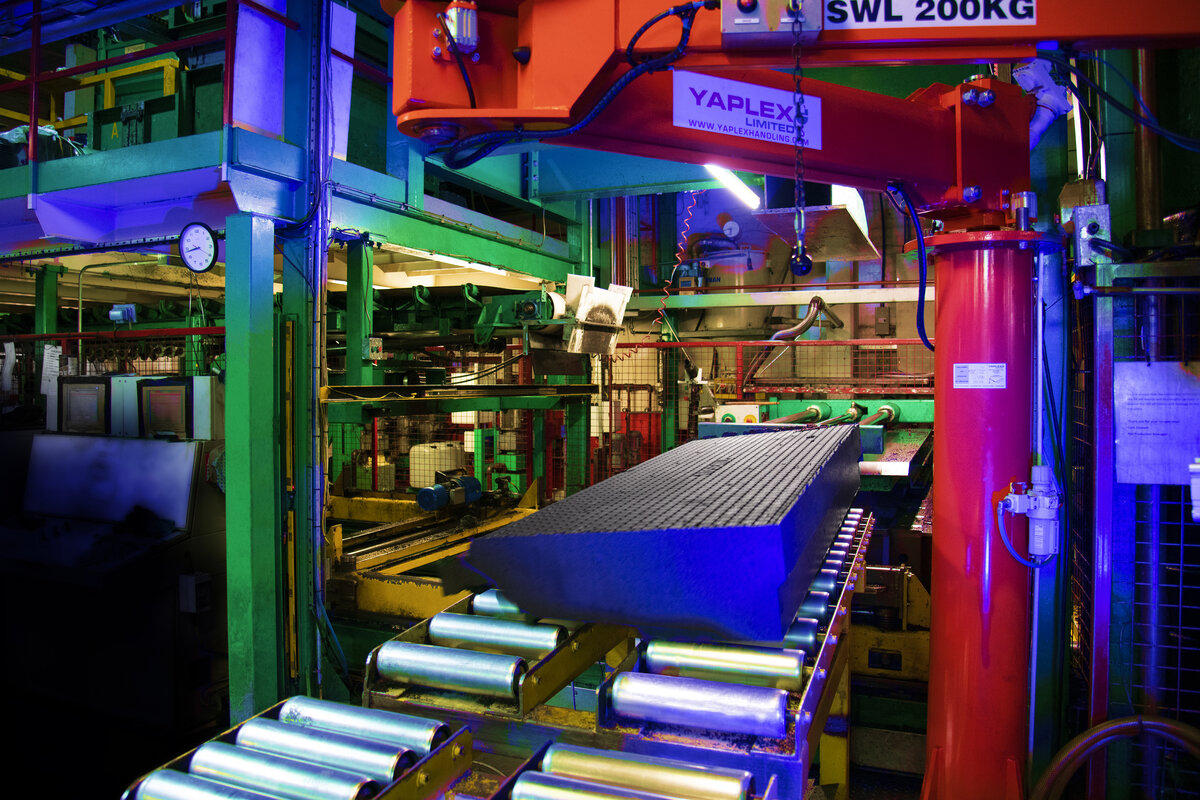
A Circular Use of Materials
Each year, Rosehill products incorporate the equivalent of hundreds of thousands of end-of-life tyres. These materials are transformed into engineered products used in highways, rail, drainage, and security applications.
Rather than being landfilled, exported, or incinerated, this material is:
- —Processed into consistent, high-quality rubber compounds
- —Manufactured into long-life infrastructure products
- —Locked into applications where durability and performance are critical
Transforming waste into infrastructure that delivers long-term value.
Lower-Impact Manufacturing
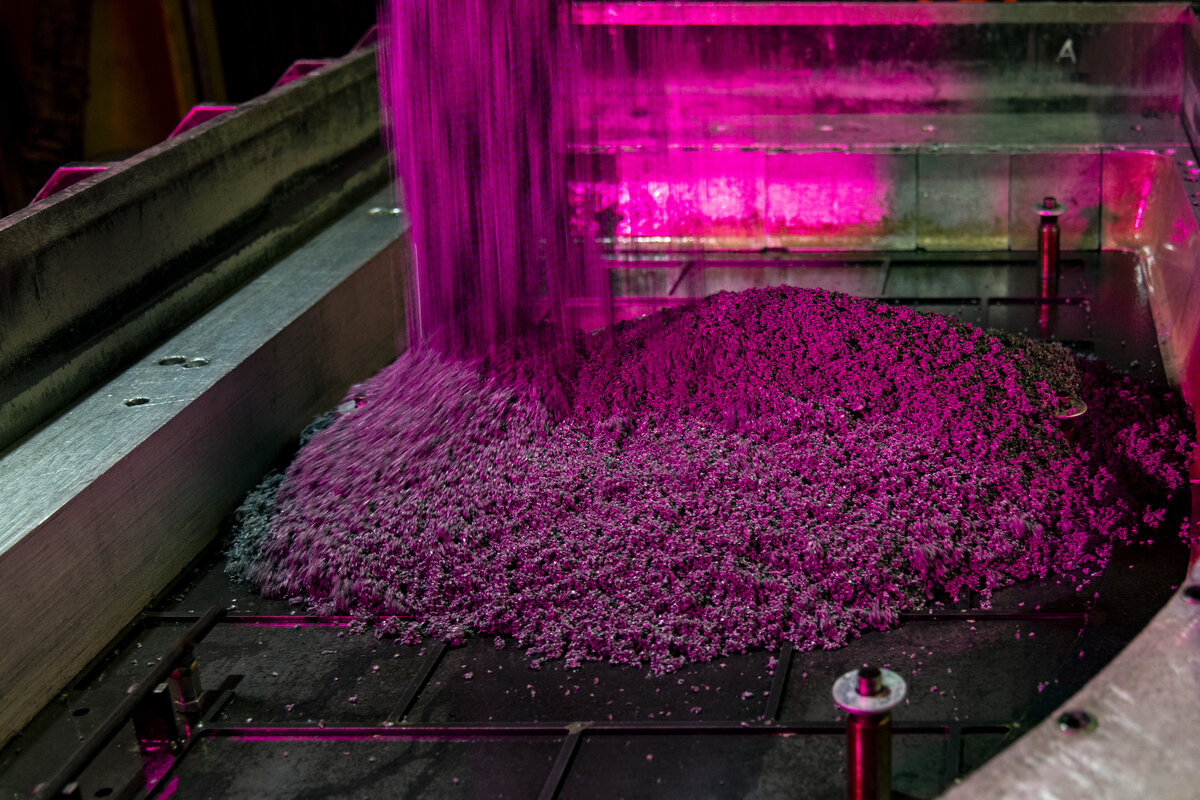
Rosehill products are manufactured using controlled, low-temperature processes. Unlike traditional construction materials such as concrete, steel and asphalt — which rely on high-energy production methods — our systems are typically cold-cured or manufactured at significantly lower temperatures.
All production takes place in West Yorkshire, allowing us to maintain quality control while reducing transport complexity.
Designed for Long-Term Performance
Sustainability is not only about how a product is made — but how long it lasts. Longer product lifespans reduce the need for replacement, lowering material consumption and lifecycle impact.
Rosehill materials are engineered for demanding environments:
- —Resistance to cracking and degradation
- —Flexibility under load and ground movement
- —Consistent performance over time
- —Reduced maintenance requirements
Reusable by Design
Many Rosehill systems are modular and surface-mounted. Unlike traditional poured materials such as concrete or asphalt, this approach reduces waste and supports more flexible infrastructure planning.
- —Installed without extensive excavation
- —Removed and repositioned where required
- —Reused across multiple projects
Reducing Installation Impact
Rosehill systems are designed to simplify installation and reduce on-site disruption. Depending on the application, this can include:
- —Minimal excavation
- —Reduced use of heavy plant
- —Faster installation times
- —Lower transport and logistics requirements
A Practical Alternative to Traditional Materials
Rosehill products are often used in place of, or alongside, traditional materials such as concrete, asphalt and steel. This makes them particularly suited to retrofit projects, constrained environments, and applications where traditional construction methods are less practical.
While each application is different, our materials can offer:
- —Lower energy manufacturing processes
- —Reduced installation impact
- —Increased flexibility and durability
- —Opportunities for reuse and reconfiguration
Continuous Improvement
We recognise that sustainability is an ongoing process. As our product range evolves, we will continue to refine how we measure and communicate our environmental performance.
- —Improving material efficiency and performance
- —Expanding the use of recycled inputs
- —Supporting customers with practical, buildable solutions
- —Continuing to develop products that reduce lifecycle impact
A Grounded Approach
Sustainability in infrastructure is complex. Rosehill focuses on delivering materials that perform, last, and make better use of available resources. By combining recycled materials with engineered performance, we aim to provide practical solutions that support more sustainable infrastructure over the long term.
Talk to Our Team